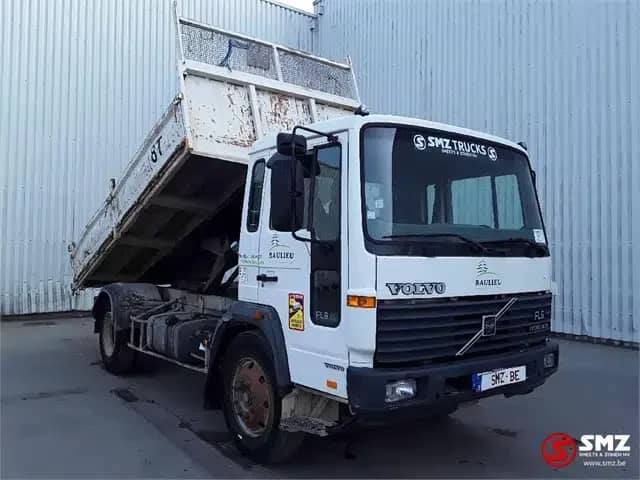
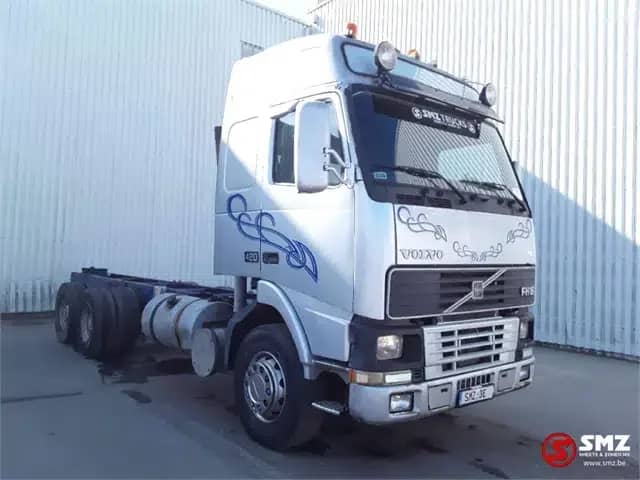
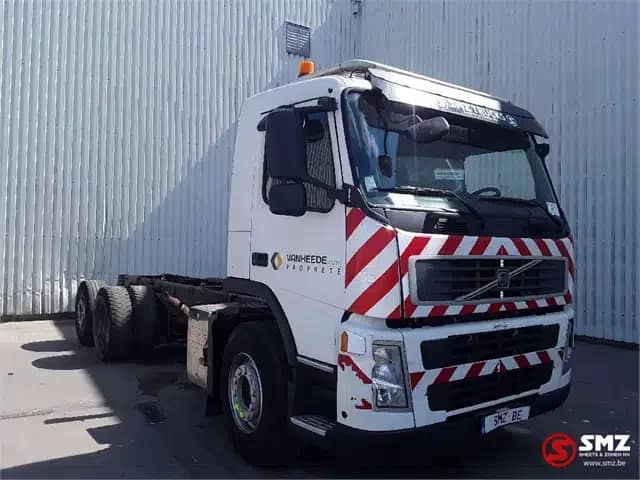
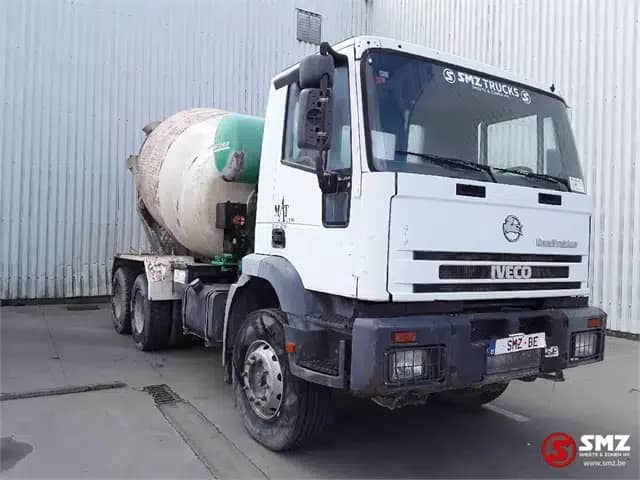
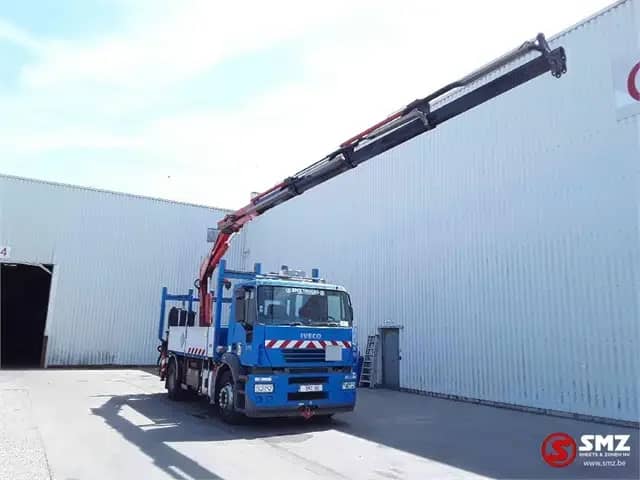
Importing a used truck from Europe can get you a better-specified, better-maintained vehicle than is available locally — but the process has more steps than buying at home, and mistakes are expensive.
This guide is the full checklist, from choosing a trustworthy dealer to getting the truck out of the port in Lagos. It is written for first-time importers but is useful as a checklist for anyone.
Indicative shipping cost and transit time
| Destination port | Vehicle | Method | Estimate (EUR) | Transit |
|---|---|---|---|---|
| Lagos (Tin Can Island) | Truck / Tractor unit | RoRo | €2,500 – €4,500 | 25–40 days |
| Lagos (Tin Can Island) | Trailer | RoRo | €1,500 – €3,000 | 25–40 days |
| Lagos (Tin Can Island) | Plant / Machinery | RoRo | €3,500 – €6,500 | 25–45 days |
| Lagos (Tin Can Island) | Van | RoRo | €1,100 – €1,800 | 21–35 days |
| Lagos (Apapa) | Truck / Tractor unit | RoRo | €2,500 – €4,500 | 25–40 days |
| Lagos (Apapa) | Trailer | RoRo | €1,500 – €3,000 | 25–40 days |
| Lagos (Apapa) | Plant / Machinery | RoRo | €3,500 – €6,500 | 25–45 days |
| Lagos (Apapa) | Van | RoRo | €1,100 – €1,800 | 21–35 days |
| Onne (Rivers State) | Truck / Tractor unit | RoRo | €2,700 – €4,700 | 28–42 days |
| Onne (Rivers State) | Trailer | RoRo | €1,700 – €3,200 | 28–42 days |
| Onne (Rivers State) | Plant / Machinery | RoRo | €3,700 – €6,800 | 28–48 days |
| Onne (Rivers State) | Van | RoRo | €1,200 – €1,900 | 24–38 days |
Indicative port-to-port ocean freight from Europe, taken from the same rate card as the shipping estimator on every VehicleMarkt listing. It excludes import duty, taxes, destination terminal and clearing charges, inland transport and insurance. Prices vary with size, weight and sailing — get a firm quote before you buy.
Step by step
- 1
Work out your total landed cost first
Before you choose a truck, add up the price, delivery to the European port, ocean freight, insurance, Nigerian duty and levies, terminal and clearing charges, and transport from the port. Ask a licensed clearing agent for a duty estimate on the exact make, model and year — duty is often the largest cost after the truck itself.
- 2
Open Form M with your bank
Nigerian imports require a Form M, opened through an authorised dealer bank in Nigeria before the goods are shipped. Your bank will ask for the dealer's proforma invoice. Start this early — it is one of the most common causes of delay.
- 3
Choose the vehicle and agree the price with the dealer
Shortlist vehicles from dealers in Europe and ask each one for the full specification, recent photos of the chassis, engine bay and tyres, the service history and the registration document details. Agree the price in writing, including whether it is quoted with or without VAT for an export sale and whether delivery to the port is included.
- 4
Get an independent inspection before you pay
Buying unseen from another continent is where most problems start. Book an independent pre-purchase inspection so someone with no stake in the sale checks the vehicle against the advert: chassis number, hours or kilometres, leaks, structural damage and whether it starts and drives. VehicleMarkt lists independent inspectors you can contact directly.
- 5
Pay safely and get the export paperwork started
Pay the dealer by bank transfer to a business account in the dealer's own company name, never to a private or third-country account you were given by message. Once paid, the dealer deregisters the vehicle for export and prepares the invoice and export declaration. Keep copies of everything — your clearing agent will need them.
- 6
Choose RoRo or container and book the shipment
Roll-on/roll-off (RoRo) is the usual choice for trucks, tractor units, trailers and machinery that can be driven or towed on board: the vehicle is delivered to the terminal and loaded like a ferry. A container suits smaller items, spare parts, or machinery that is partly dismantled, and keeps loose items secure. Ask two or three shippers that serve Lagos or Onne for a quote, and check what is included (port handling at origin, marine insurance, destination terminal charges).
- 7
Clear the vehicle through customs in Nigeria
Appoint a licensed clearing agent in Nigeria before the ship arrives. They lodge the import declaration, arrange any physical examination, calculate the duties and taxes due and tell you what you must pay before release. Terminal storage charges usually start after a short free period, so have funds and documents ready on arrival.
Typical documents
- Commercial invoice from the dealer showing the chassis/VIN number, price and buyer details
- Original registration document or export deregistration certificate from the country of sale (in the Netherlands the RDW register, in Belgium the DIV, in Germany the local registration office)
- EU export declaration (MRN), usually lodged by the dealer or the forwarder — this is also what allows the dealer to sell to you without charging VAT
- Bill of lading issued by the shipping line (the original or a telex/express release)
- Proof of payment to the dealer
- Your import documents in the destination country, prepared with your clearing agent
- Form M, opened through your authorised Nigerian bank
- Proforma invoice from the dealer (needed by your bank for Form M)
Requirements differ by country and change over time. Treat this as a starting checklist and confirm the full list with your shipper and a licensed clearing agent.
On arrival in Nigeria
Most European trucks for Nigeria arrive at Apapa or Tin Can Island in Lagos; some sailings call at Onne. Clearance is handled by the Nigeria Customs Service through your licensed clearing agent.
Nigeria has changed its duty and levy rules on vehicles several times. VehicleMarkt does not publish rates — get a current written estimate from your clearing agent for your exact vehicle before you pay the dealer.
Frequently asked questions
How do I avoid scams when buying a truck from Europe?
Buy from a registered dealer whose business you can verify, pay only to a business bank account in the dealer's own company name, be wary of prices far below the market, and use an independent inspector. Never pay a 'shipping agent' introduced only by the seller without checking them independently.
Who pays VAT when a European dealer sells to a Nigerian buyer?
Sales exported outside the EU are generally VAT-free for the buyer, as long as the dealer can prove export (the export declaration). Ask the dealer to confirm how they handle VAT on export sales before you agree the price.
Which Nigerian port should I ship to?
Lagos (Apapa or Tin Can Island) is the most common choice and has the most frequent sailings. Onne can make sense for buyers in the south-east and south-south. The table on this page compares the indicative cost bands for each.
Do the shipping estimates include duty and port charges?
No. The estimates on this page are indicative ocean-freight bands from VehicleMarkt's rate card. They do not include import duty, taxes, terminal and clearing charges at the destination, inland transport, or insurance unless a shipper's quote says so. Get a firm quote from a shipper and a cost estimate from your clearing agent before you buy.
Are there age limits or extra charges for older vehicles?
Several countries in West and East Africa set rules or extra charges based on a vehicle's age, and these change from time to time. VehicleMarkt does not publish duty rates or age limits because they are set by each country's customs authority. Confirm the current rules for your exact vehicle and year with a licensed clearing agent before you pay the dealer.
This guide is general information, not legal, tax or customs advice. Duties, age rules and import procedures are set by each country and change; confirm them with a licensed clearing agent before you buy. Last reviewed September 2026.