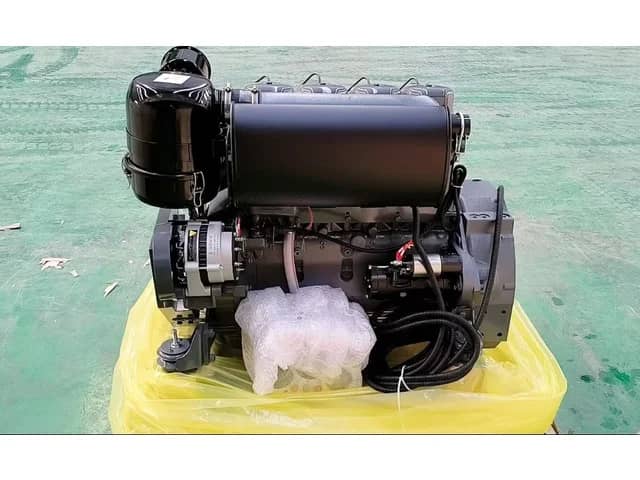
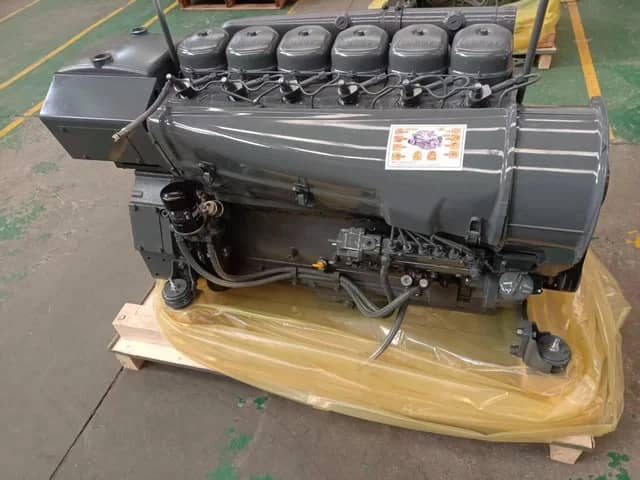
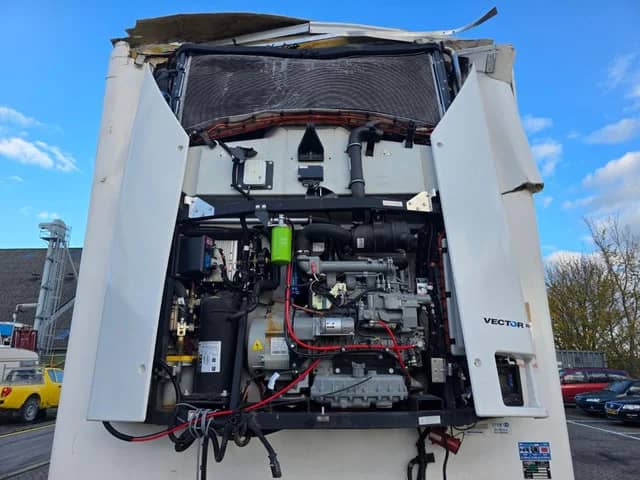
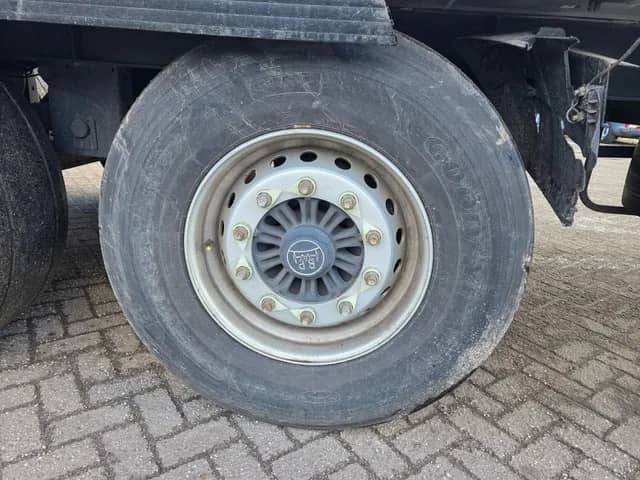
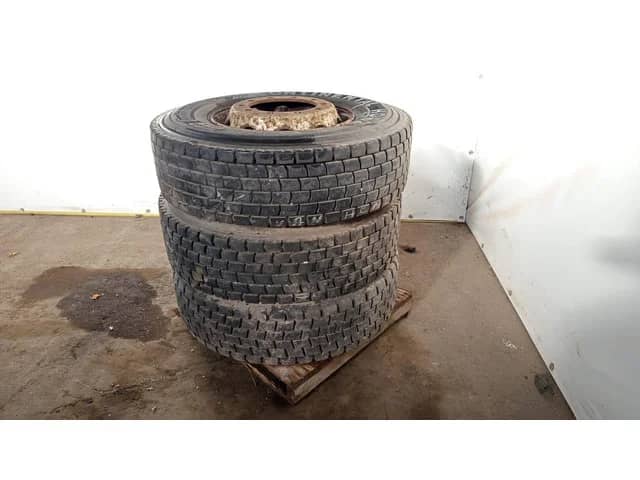
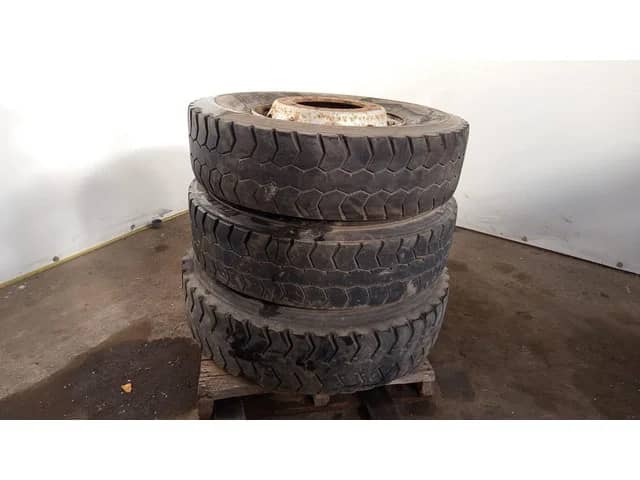
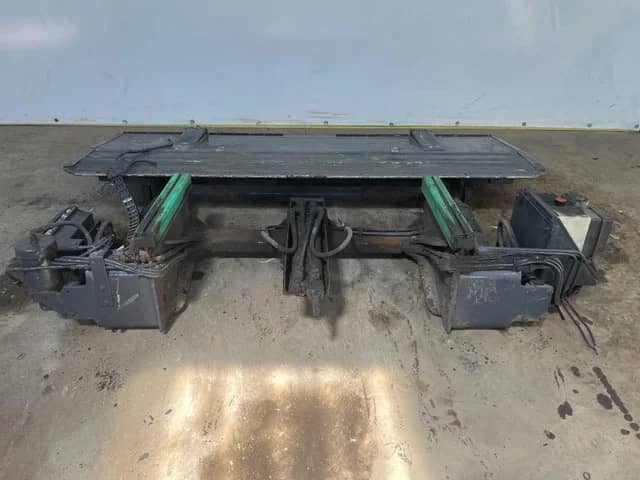
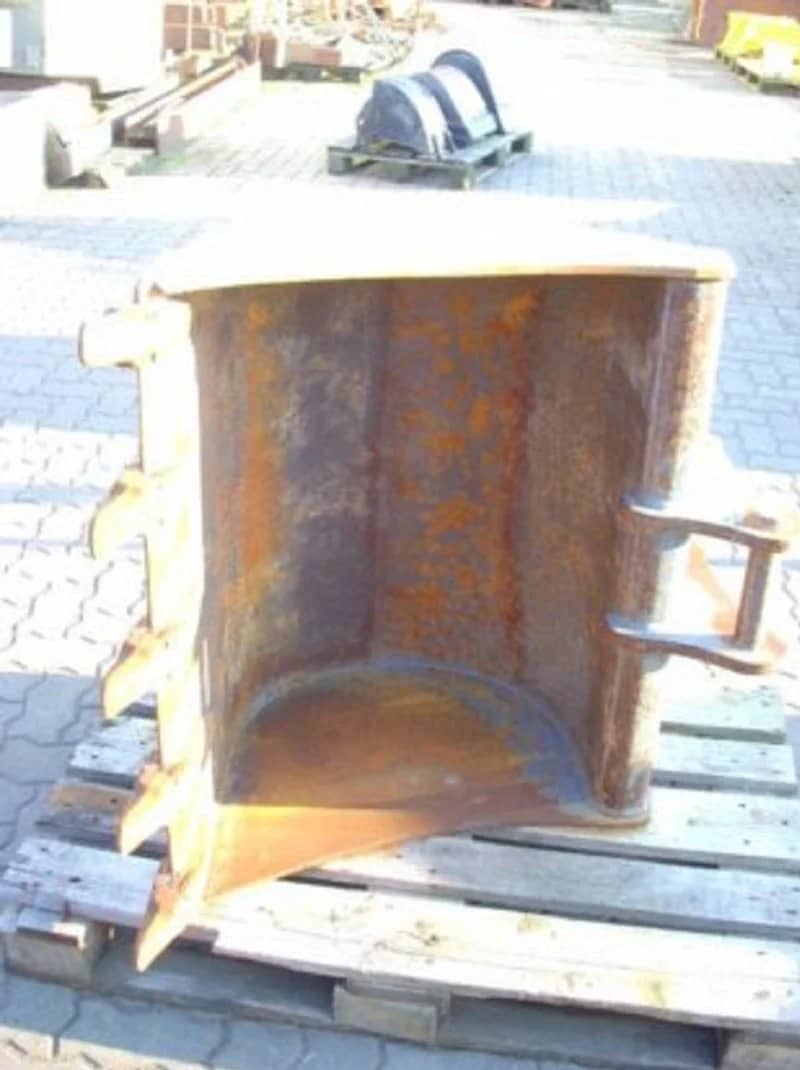
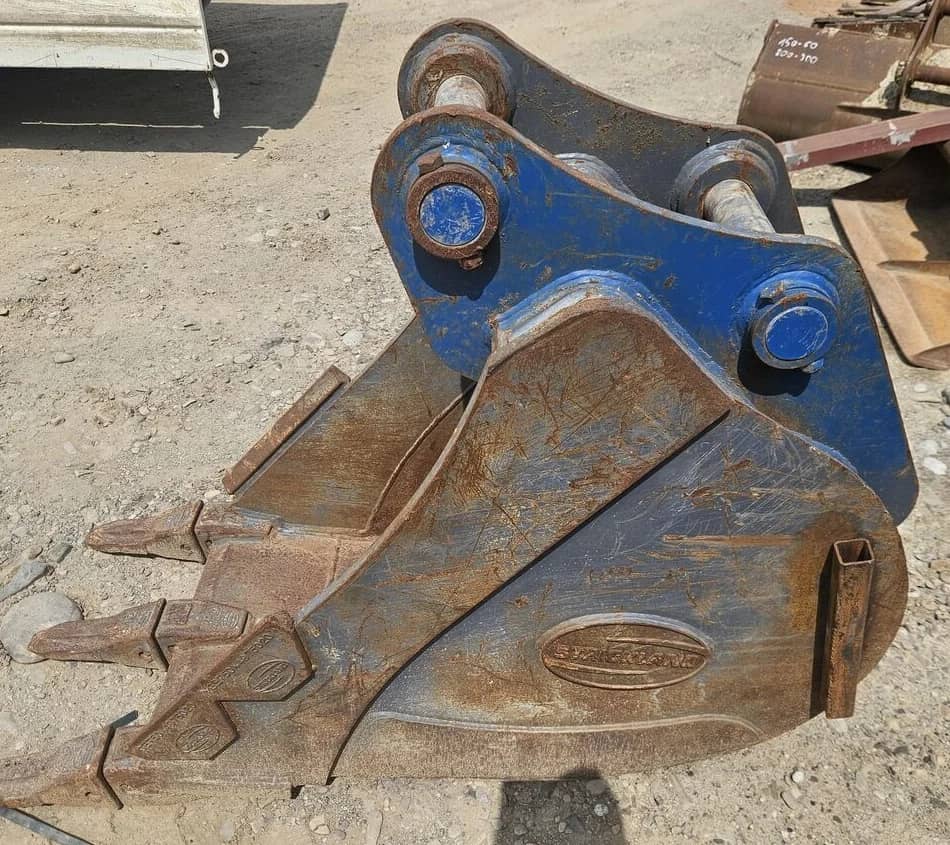
European dealers sell used engines, gearboxes, axles, cabs, tail lifts (such as Dhollandia), wheels and tyres taken from trucks and trailers — often at a fraction of the price of new parts.
Parts are bought differently from vehicles: the part number matters more than the photo, and most parts travel in a container rather than by RoRo. This guide explains how to get it right.
Indicative shipping cost and transit time
We do not have a rate-card estimate for this route yet. Request a shipping quote instead.
Step by step
- 1
Start from the part number, not the picture
Find the part number on the old part or in the vehicle's documentation and send it to the dealer with your vehicle's chassis/VIN number. Engines and gearboxes have type codes (for example on the engine block or gearbox tag) — ask for a photo of the plate on the part you are buying.
- 2
Ask how the part was tested
Ask whether an engine or gearbox was run before removal, the mileage of the donor vehicle, and whether the dealer gives any warranty for export. For tail lifts, ask for a video of it working before removal, and check the control box and wiring are included.
- 3
Choose the vehicle and agree the price with the dealer
Shortlist vehicles from dealers in Europe and ask each one for the full specification, recent photos of the chassis, engine bay and tyres, the service history and the registration document details. Agree the price in writing, including whether it is quoted with or without VAT for an export sale and whether delivery to the port is included.
- 4
Get an independent inspection before you pay
Buying unseen from another continent is where most problems start. Book an independent pre-purchase inspection so someone with no stake in the sale checks the vehicle against the advert: chassis number, hours or kilometres, leaks, structural damage and whether it starts and drives. VehicleMarkt lists independent inspectors you can contact directly.
- 5
Pay safely and get the export paperwork started
Pay the dealer by bank transfer to a business account in the dealer's own company name, never to a private or third-country account you were given by message. Once paid, the dealer deregisters the vehicle for export and prepares the invoice and export declaration. Keep copies of everything — your clearing agent will need them.
- 6
Ship by container, or consolidate with other cargo
Most parts go in a container. If you are not filling a container yourself, ask a forwarder for groupage (shared container) to Lagos. Make sure heavy parts are palletised and secured, and list every item on the packing list for Customs.
- 7
Clear the vehicle through customs in Nigeria
Appoint a licensed clearing agent in Nigeria before the ship arrives. They lodge the import declaration, arrange any physical examination, calculate the duties and taxes due and tell you what you must pay before release. Terminal storage charges usually start after a short free period, so have funds and documents ready on arrival.
Typical documents
- Commercial invoice from the dealer showing the chassis/VIN number, price and buyer details
- EU export declaration (MRN), usually lodged by the dealer or the forwarder — this is also what allows the dealer to sell to you without charging VAT
- Bill of lading issued by the shipping line (the original or a telex/express release)
- Proof of payment to the dealer
- Your import documents in the destination country, prepared with your clearing agent
- Detailed packing list with every part, its part number and quantity
- Form M, opened through your authorised Nigerian bank
Requirements differ by country and change over time. Treat this as a starting checklist and confirm the full list with your shipper and a licensed clearing agent.
On arrival in Nigeria
Containers from Europe usually arrive at Apapa or Tin Can Island in Lagos, or Onne. Your clearing agent declares each item; an accurate packing list avoids delays at examination.
Duty on parts is classified item by item and differs from vehicles. Ask your clearing agent for an estimate based on your packing list before you pay.
Frequently asked questions
Can I ship a few parts without filling a whole container?
Yes — ask a forwarder for groupage (LCL), where your pallets share a container with other cargo. It costs more per cubic metre than a full container but far less than a container of your own.
Do European dealers sell Dhollandia and other tail lift parts?
Yes. Several dealers on VehicleMarkt list complete tail lifts and parts. Send them the model and serial number from the lift's plate so they can confirm compatibility.
Do the shipping estimates include duty and port charges?
No. The estimates on this page are indicative ocean-freight bands from VehicleMarkt's rate card. They do not include import duty, taxes, terminal and clearing charges at the destination, inland transport, or insurance unless a shipper's quote says so. Get a firm quote from a shipper and a cost estimate from your clearing agent before you buy.
This guide is general information, not legal, tax or customs advice. Duties, age rules and import procedures are set by each country and change; confirm them with a licensed clearing agent before you buy. Last reviewed November 2026.