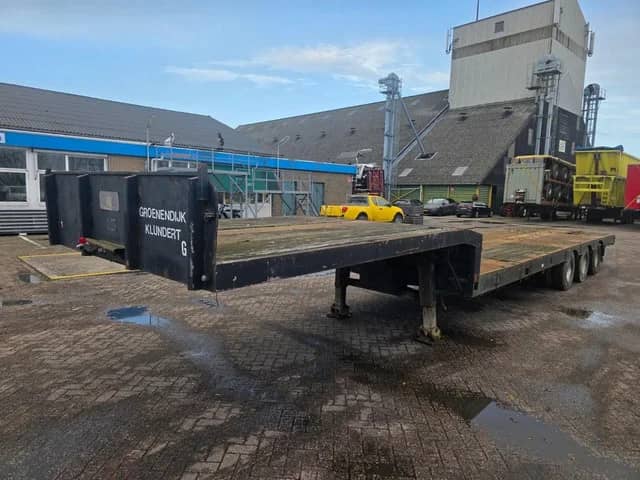
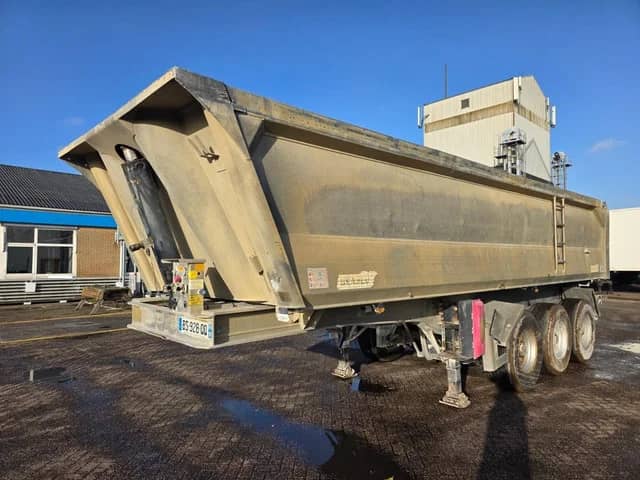
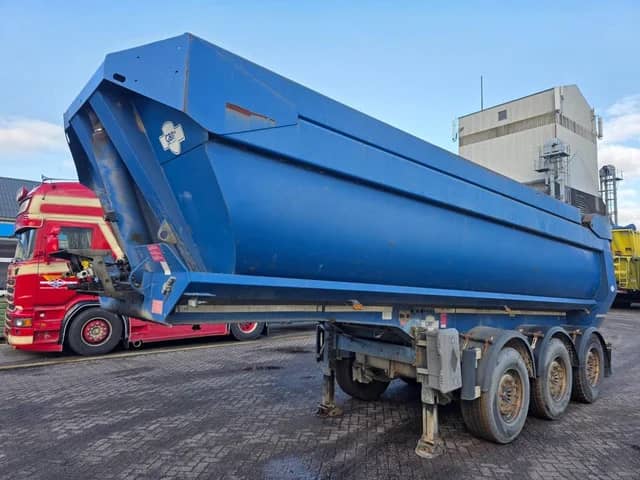
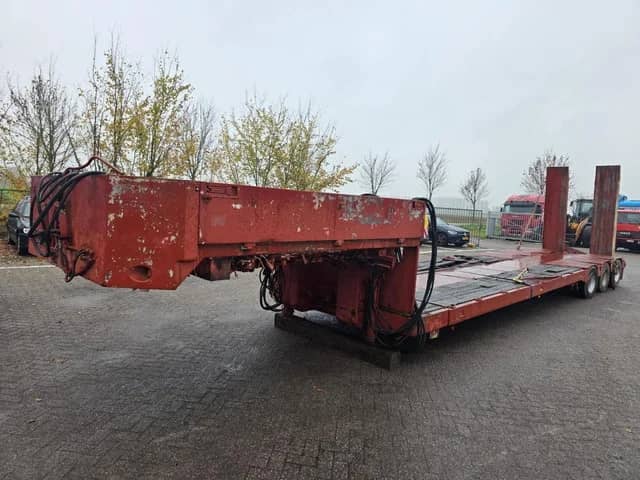
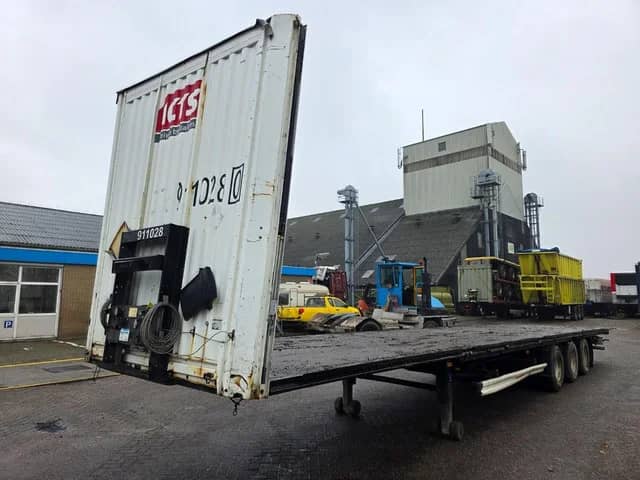
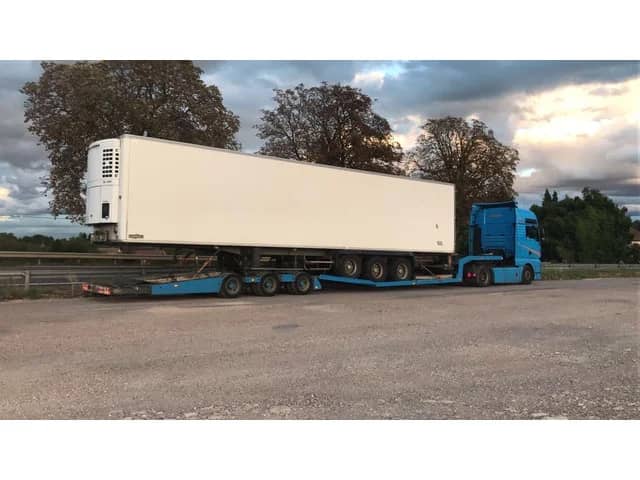
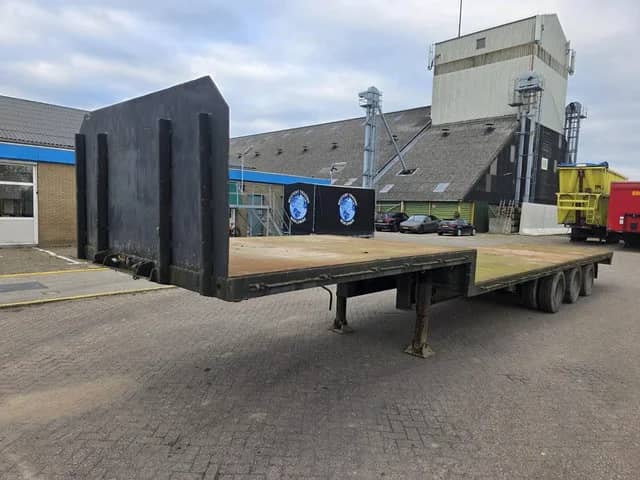
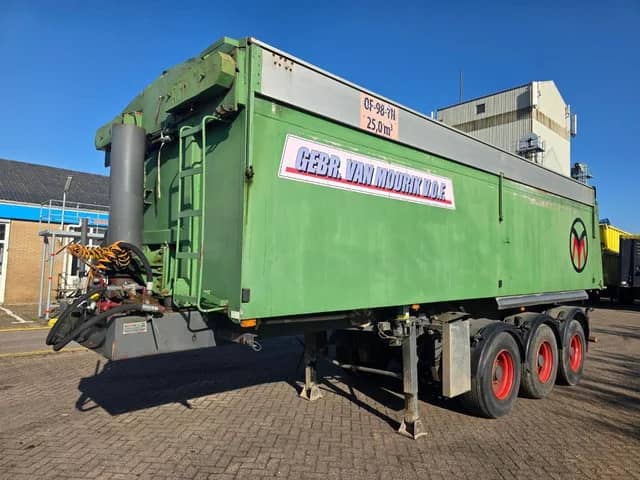
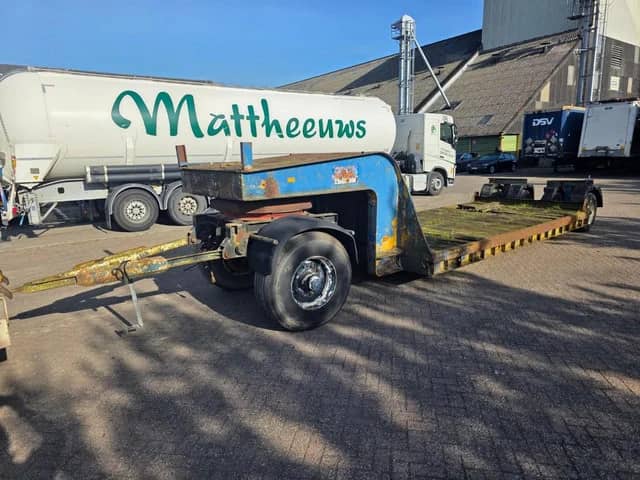
Lowbeds for moving plant, flatbeds and skeletal trailers for containers, tipping trailers for haulage and tankers for fuel are all in steady demand in Nigeria — and Europe has a large supply of used ones.
Trailers are simpler than trucks, but the axles, brakes and chassis still decide whether you get a good buy. This guide covers what to check and how to ship.
Indicative shipping cost and transit time
We do not have a rate-card estimate for this route yet. Request a shipping quote instead.
Step by step
- 1
Match the trailer type to the work
Lowbeds carry excavators and other heavy plant; check the deck height, ramps and rated capacity. Flatbeds and skeletal trailers carry containers; check the twist-locks. Tipping trailers need a working hydraulic system, and tankers need their tank certification and valves checked.
- 2
Check axles, brakes, suspension and tyres
Ask for photos of each axle, the brake drums or discs, the air-suspension bags or leaf springs, and every tyre. Axle make (such as SAF, BPW or ROR) matters for spare parts — check you can source them locally.
- 3
Open Form M with your bank
Nigerian imports require a Form M opened through an authorised dealer bank before shipment, using the dealer's proforma invoice.
- 4
Choose the vehicle and agree the price with the dealer
Shortlist vehicles from dealers in Europe and ask each one for the full specification, recent photos of the chassis, engine bay and tyres, the service history and the registration document details. Agree the price in writing, including whether it is quoted with or without VAT for an export sale and whether delivery to the port is included.
- 5
Get an independent inspection before you pay
Buying unseen from another continent is where most problems start. Book an independent pre-purchase inspection so someone with no stake in the sale checks the vehicle against the advert: chassis number, hours or kilometres, leaks, structural damage and whether it starts and drives. VehicleMarkt lists independent inspectors you can contact directly.
- 6
Pay safely and get the export paperwork started
Pay the dealer by bank transfer to a business account in the dealer's own company name, never to a private or third-country account you were given by message. Once paid, the dealer deregisters the vehicle for export and prepares the invoice and export declaration. Keep copies of everything — your clearing agent will need them.
- 7
Choose RoRo or container and book the shipment
Roll-on/roll-off (RoRo) is the usual choice for trucks, tractor units, trailers and machinery that can be driven or towed on board: the vehicle is delivered to the terminal and loaded like a ferry. A container suits smaller items, spare parts, or machinery that is partly dismantled, and keeps loose items secure. Ask two or three shippers that serve Lagos or Onne for a quote, and check what is included (port handling at origin, marine insurance, destination terminal charges).
- 8
Clear the vehicle through customs in Nigeria
Appoint a licensed clearing agent in Nigeria before the ship arrives. They lodge the import declaration, arrange any physical examination, calculate the duties and taxes due and tell you what you must pay before release. Terminal storage charges usually start after a short free period, so have funds and documents ready on arrival.
Typical documents
- Commercial invoice from the dealer showing the chassis/VIN number, price and buyer details
- Original registration document or export deregistration certificate from the country of sale (in the Netherlands the RDW register, in Belgium the DIV, in Germany the local registration office)
- EU export declaration (MRN), usually lodged by the dealer or the forwarder — this is also what allows the dealer to sell to you without charging VAT
- Bill of lading issued by the shipping line (the original or a telex/express release)
- Proof of payment to the dealer
- Your import documents in the destination country, prepared with your clearing agent
- Form M, opened through your authorised Nigerian bank
- Proforma invoice from the dealer (needed for Form M)
Requirements differ by country and change over time. Treat this as a starting checklist and confirm the full list with your shipper and a licensed clearing agent.
On arrival in Nigeria
Trailers are shipped RoRo, either towed on board on their own or coupled to a tractor unit, and arrive at Lagos (Apapa or Tin Can Island) or Onne.
Your licensed clearing agent can tell you the current duty position for trailers, which can differ from trucks. Get it in writing before you pay.
Frequently asked questions
How is a trailer loaded onto the ship without a truck?
The port terminal tows it on board with its own tractor units (often on a roll trailer, or 'mafi'). Ask your shipper whether this handling is included in the quote.
Which axle brands have the best parts supply in Nigeria?
SAF and BPW axles are widely used across Europe and Africa. Ask local trailer workshops which brands they stock parts for before you buy.
Can I buy without seeing the vehicle in person?
Many buyers do, but only with an independent pre-purchase inspection. An inspector checks the vehicle against the advert and sends photos and a report, so you are not relying only on the seller's description. You can contact inspectors listed on VehicleMarkt directly.
Do the shipping estimates include duty and port charges?
No. The estimates on this page are indicative ocean-freight bands from VehicleMarkt's rate card. They do not include import duty, taxes, terminal and clearing charges at the destination, inland transport, or insurance unless a shipper's quote says so. Get a firm quote from a shipper and a cost estimate from your clearing agent before you buy.
Are there age limits or extra charges for older vehicles?
Several countries in West and East Africa set rules or extra charges based on a vehicle's age, and these change from time to time. VehicleMarkt does not publish duty rates or age limits because they are set by each country's customs authority. Confirm the current rules for your exact vehicle and year with a licensed clearing agent before you pay the dealer.
This guide is general information, not legal, tax or customs advice. Duties, age rules and import procedures are set by each country and change; confirm them with a licensed clearing agent before you buy. Last reviewed November 2026.