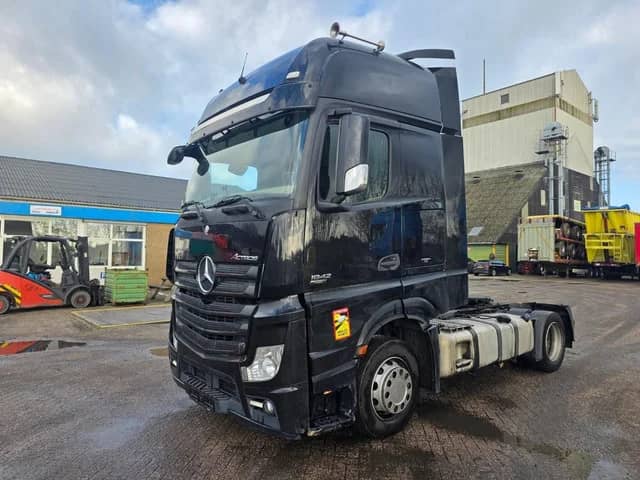
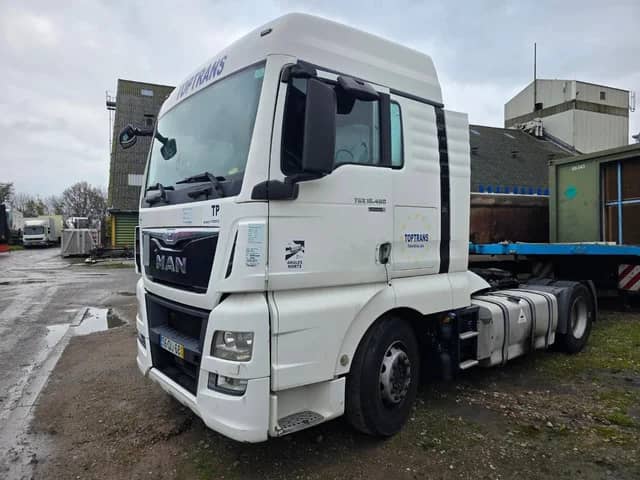
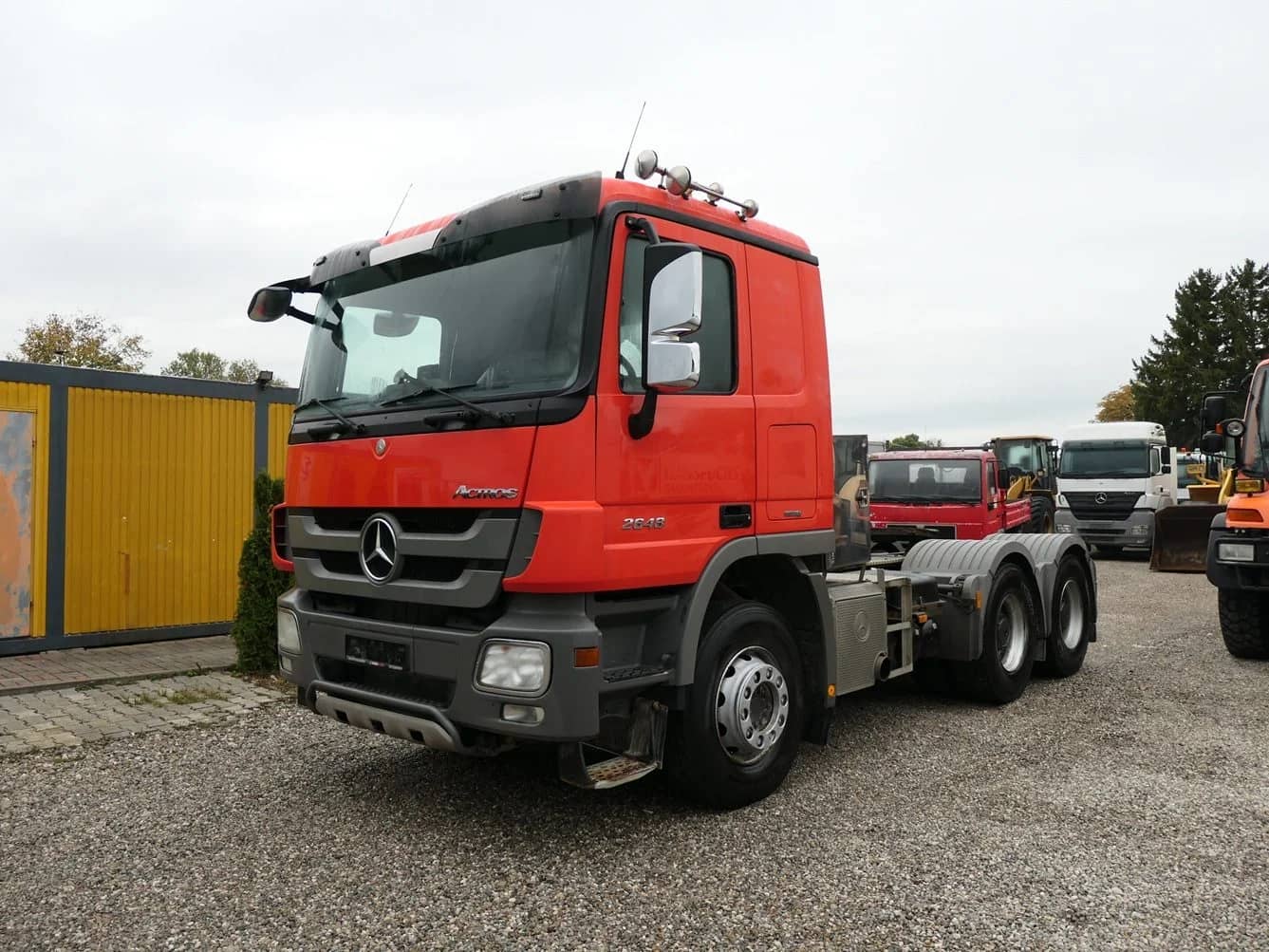
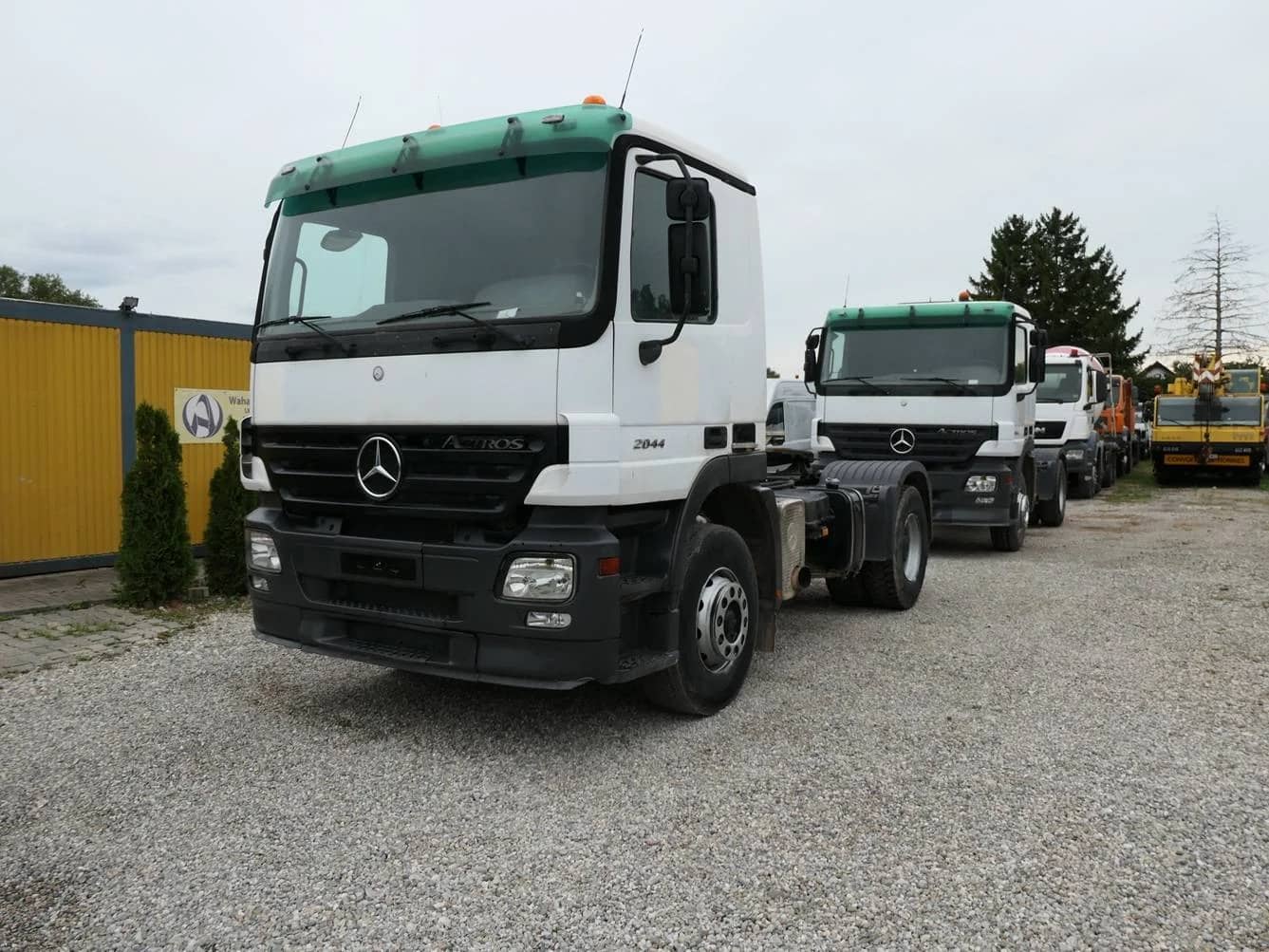
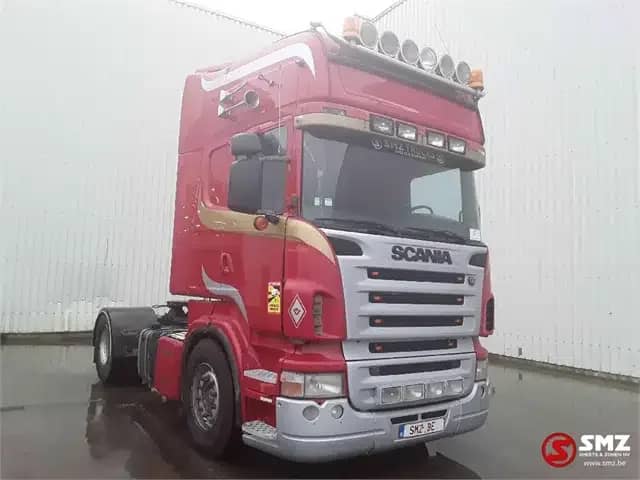
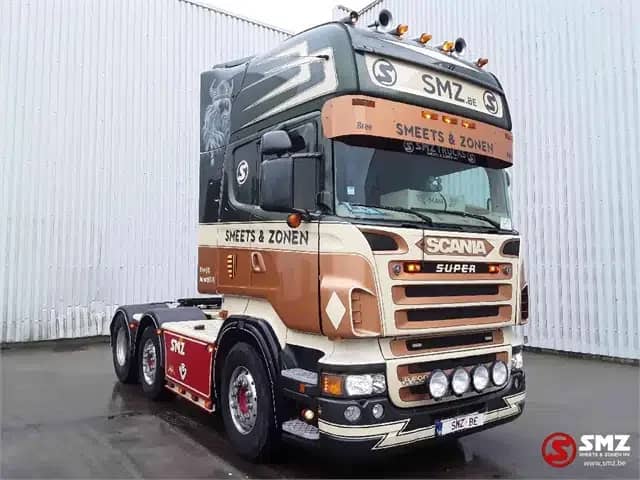
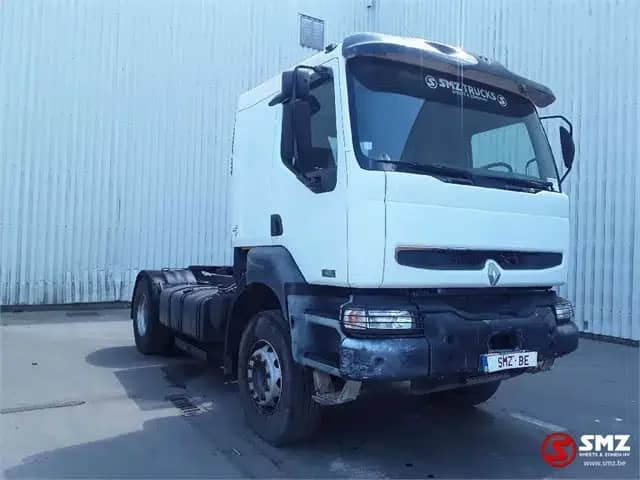
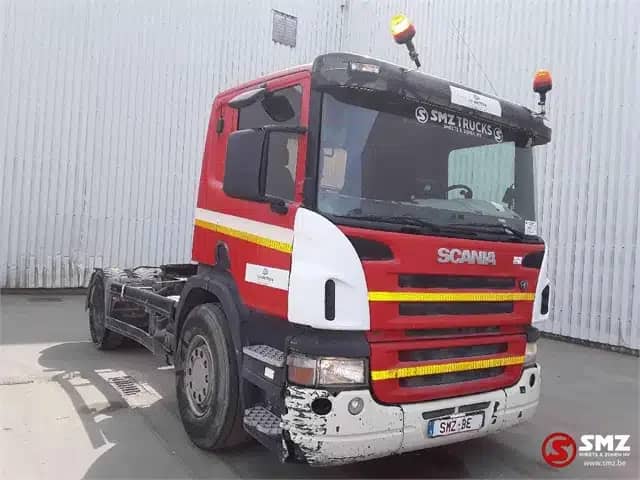
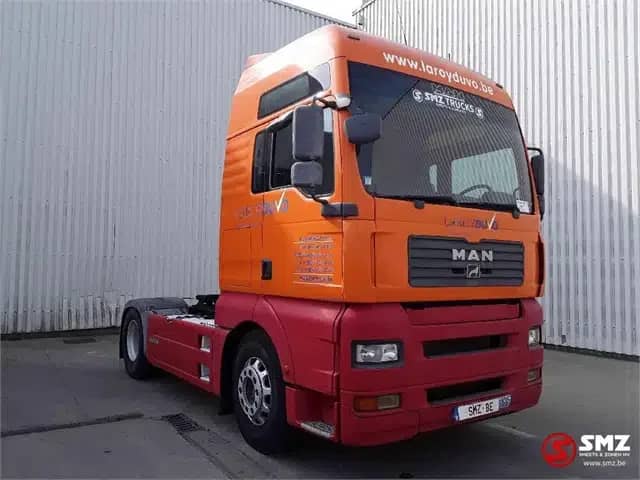
Tractor units — usually called trailer heads in Nigeria — pull the trailers and tankers that move fuel, containers and goods between Lagos, Kano, Port Harcourt and beyond.
European tractor units are well specified and usually have documented service histories. This guide explains how to choose one, check it remotely and get it to a Nigerian port.
Indicative shipping cost and transit time
We do not have a rate-card estimate for this route yet. Request a shipping quote instead.
Step by step
- 1
Choose 4x2 or 6x4 for the loads and roads
A 4x2 tractor unit is lighter and cheaper to run on good highways. A 6x4 has more traction and carries heavier combinations — the usual choice for tankers, heavy containers and lowbed work on rough roads. Check the fifth-wheel height matches the trailers you will pull.
- 2
Check engine, gearbox and history remotely
Ask for a cold-start video, the odometer and engine-hours reading, a diagnostic readout if the dealer has one, and the service history. Automated gearboxes (such as ZF AS-Tronic or Mercedes PowerShift) are common on European units; make sure a mechanic near you can service the one you choose.
- 3
Open Form M with your bank
Nigerian imports require a Form M opened through an authorised dealer bank before shipment. Ask the dealer for a proforma invoice as soon as you agree the price.
- 4
Choose the vehicle and agree the price with the dealer
Shortlist vehicles from dealers in Europe and ask each one for the full specification, recent photos of the chassis, engine bay and tyres, the service history and the registration document details. Agree the price in writing, including whether it is quoted with or without VAT for an export sale and whether delivery to the port is included.
- 5
Get an independent inspection before you pay
Buying unseen from another continent is where most problems start. Book an independent pre-purchase inspection so someone with no stake in the sale checks the vehicle against the advert: chassis number, hours or kilometres, leaks, structural damage and whether it starts and drives. VehicleMarkt lists independent inspectors you can contact directly.
- 6
Pay safely and get the export paperwork started
Pay the dealer by bank transfer to a business account in the dealer's own company name, never to a private or third-country account you were given by message. Once paid, the dealer deregisters the vehicle for export and prepares the invoice and export declaration. Keep copies of everything — your clearing agent will need them.
- 7
Choose RoRo or container and book the shipment
Roll-on/roll-off (RoRo) is the usual choice for trucks, tractor units, trailers and machinery that can be driven or towed on board: the vehicle is delivered to the terminal and loaded like a ferry. A container suits smaller items, spare parts, or machinery that is partly dismantled, and keeps loose items secure. Ask two or three shippers that serve Lagos or Onne for a quote, and check what is included (port handling at origin, marine insurance, destination terminal charges).
- 8
Clear the vehicle through customs in Nigeria
Appoint a licensed clearing agent in Nigeria before the ship arrives. They lodge the import declaration, arrange any physical examination, calculate the duties and taxes due and tell you what you must pay before release. Terminal storage charges usually start after a short free period, so have funds and documents ready on arrival.
Typical documents
- Commercial invoice from the dealer showing the chassis/VIN number, price and buyer details
- Original registration document or export deregistration certificate from the country of sale (in the Netherlands the RDW register, in Belgium the DIV, in Germany the local registration office)
- EU export declaration (MRN), usually lodged by the dealer or the forwarder — this is also what allows the dealer to sell to you without charging VAT
- Bill of lading issued by the shipping line (the original or a telex/express release)
- Proof of payment to the dealer
- Your import documents in the destination country, prepared with your clearing agent
- Form M, opened through your authorised Nigerian bank
- Proforma invoice from the dealer (needed for Form M)
Requirements differ by country and change over time. Treat this as a starting checklist and confirm the full list with your shipper and a licensed clearing agent.
On arrival in Nigeria
Tractor units from Europe usually arrive at Apapa or Tin Can Island in Lagos, with some sailings to Onne. Your licensed clearing agent handles the Customs declaration and examination.
Duty and levies change from time to time. Get a written estimate for your exact unit from your clearing agent before paying the dealer.
Frequently asked questions
Can I ship a tractor head and a trailer together?
Yes. Many buyers ship the unit coupled to a trailer on RoRo, which can be cheaper than shipping both separately. Ask the shipper to quote for the combination and confirm the total length.
Is a left-hand-drive European truck legal in Nigeria?
Nigeria drives on the right, so left-hand-drive European trucks are the normal choice.
Can I buy without seeing the vehicle in person?
Many buyers do, but only with an independent pre-purchase inspection. An inspector checks the vehicle against the advert and sends photos and a report, so you are not relying only on the seller's description. You can contact inspectors listed on VehicleMarkt directly.
Do the shipping estimates include duty and port charges?
No. The estimates on this page are indicative ocean-freight bands from VehicleMarkt's rate card. They do not include import duty, taxes, terminal and clearing charges at the destination, inland transport, or insurance unless a shipper's quote says so. Get a firm quote from a shipper and a cost estimate from your clearing agent before you buy.
Are there age limits or extra charges for older vehicles?
Several countries in West and East Africa set rules or extra charges based on a vehicle's age, and these change from time to time. VehicleMarkt does not publish duty rates or age limits because they are set by each country's customs authority. Confirm the current rules for your exact vehicle and year with a licensed clearing agent before you pay the dealer.
This guide is general information, not legal, tax or customs advice. Duties, age rules and import procedures are set by each country and change; confirm them with a licensed clearing agent before you buy. Last reviewed November 2026.